|
 Understanding Ndma: the Chemical Behind Zantac Concerns
What Ndma Is and Why It Matters
A tiny contaminant captured headlines when traces were found in widely used heartburn drugs. Although invisible and odorless, the compound raised alarm because laboratory studies tie it to genetic damage in animals and because it belongs to a chemical class long associated with cancer risk. That scientific reputation turned a routine pill into a public concern. For patients the key issue is exposure over time: even small amounts can matter if intake continues daily. Human studies are complex and not always definitive, but regulators treat the compound with caution because of consistent cancer signals from multiple animal and cellular studies. Understanding dose and duration is central to evaluating personal risk. If you take these medications discuss concerns with your clinician; they can suggest testing, safer alternatives, or dosing adjustments based on your history and exposure and next steps.
How Ndma Might Form in Heartburn Medicines
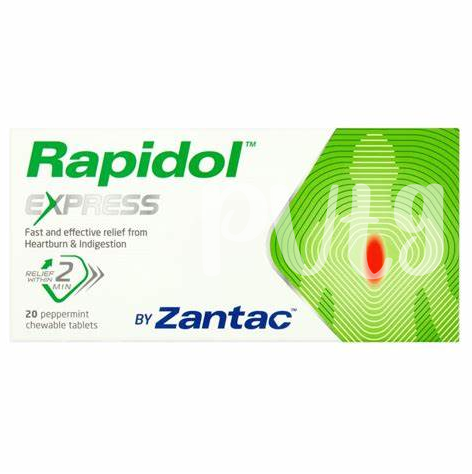
A chemist recounts running stability tests and noticing a small impurity grow over weeks. Many heartburn drugs contain molecules that, under the right conditions, can transform into NDMA through reactions with nitrite or other contaminants. Heat, acidic stomach-like environments, and solvents can accelerate these nitrosation pathways, especially when manufacturing, storage, or formulation includes trace amounts of nitrites or amines. the zantac case highlighted how storage and breakdown products matter. Scientists also found that some inactive ingredients and impurities act as precursors, so robust testing, stricter raw-material controls, and careful formulation choices are needed to reduce the risk of unintended NDMA formation. Regulators and makers now tighten controls, revising processes and materials to block formation completely.
Scientific Evidence Linking Ndma to Cancer Risk
Investigators discovered NDMA contamination in zantac and related ranitidine products, prompting a deeper look at carcinogenic potential. Laboratory studies in rodents show NDMA causes tumors in multiple organs, and molecular research explains why: NDMA metabolizes into alkylating agents that damage DNA, creating a biologically plausible mechanism linking exposure to cancer development. Human epidemiological data remain limited and mixed, but several observational analyses hinted at small increases in gastrointestinal and liver cancers among long-term users, prompting swift regulatory caution. Together, strong animal evidence, clear DNA‑damaging chemistry and suggestive human findings formed the scientific basis for recalls and continued study — a reminder that rare contaminants can have outsized public-health implications when biology, labs and epidemiology converge.
How Regulators Reacted: Recalls and Guidelines
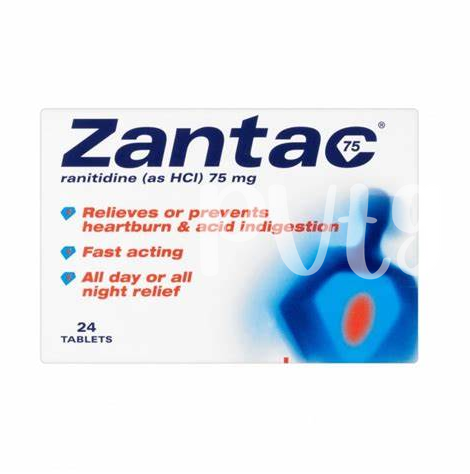
When NDMA traces emerged in zantac, regulators worldwide moved swiftly to protect the public. Agencies ordered recalls, suspended supplies, and demanded urgent investigations into manufacturing and storage. Clear, frequent updates aimed to prevent panic while sourcing safe alternatives and limiting exposure during ongoing reviews. Guidance included temporary sales halts, stricter impurity thresholds, mandatory testing, and advice for healthcare providers on managing patient treatment. These measures combined precautionary principle and data-driven standards, prompting industry changes and ongoing surveillance to restore trust in common heartburn medicines. Patients were urged to consult clinicians.
Testing Methods: Detecting Trace Ndma in Drugs
Analytical labs launched a detective hunt for tiny impurity molecules after reports linked zantac to NDMA; even parts-per-billion amounts trigger deep scrutiny. Teams rely on chromatography coupled with mass spectrometry, especially LC‑MS/MS and high‑resolution MS, to separate, identify and quantify NDMA. Careful sample preparation, isotopically labeled standards and strict validation prevent false positives and artifact generation during analysis. Regulators set reporting thresholds and routine screening; results drive recalls, reformulation and patient guidance. Labs report low‑ng to sub‑ng per dose detection limits.
| Method | Typical LOD | Notes |
|---|
| LC-MS/MS | 0.1–1 | Routine screening programs for NDMA detection |
| HRMS | 0.05–0.5 | High confidence quantification in complex matrices |
| GC-MS | 1–5 | Useful for volatile precursors screening |
| Validated protocols | Confirmatory testing programs | and reporting |
Safer Alternatives and Steps Patients Can Take
When concerned about NDMA exposure from ranitidine, many patients find symptom relief with alternatives that have stronger safety track records: antacids for immediate heartburn, H2 blockers such as famotidine for short-term control, or proton pump inhibitors for chronic acid suppression. Lifestyle measures—weight loss, avoiding trigger foods, and not eating before bed—can reduce reliance on medication. Patients should stop any ranitidine only after consulting their clinician, who can recommend a safe substitute and monitor rebound symptoms. Report adverse reactions and product details to regulators, keep medication lists updated, and ask pharmacists about generic formulations with independent testing. Check official advisories before changing treatments and keep records handy. Contact your provider promptly with concerns or new symptoms. FDA on ranitidine NCI: ranitidine
|